Finding the right water purifier under $300 means balancing filtration performance, installation requirements, capacity, maintenance, and long-term filter costs. This roundup covers practical options for apartments, kitchens, offices, and households with different water-quality concerns.
Our selections include reverse osmosis systems, under-sink carbon and ultrafiltration units, countertop models, gravity filters, and a compact pitcher. Use the guide below to narrow the list by contaminant reduction, convenience, space, and ownership cost.
Best 10 Water Purifiers Under 300 Picks for 2026
Best Certified RO System

- NSF/ANSI 58 certified full RO system
- Alkaline remineralization stage
- 75 GPD with storage tank
Best For: Certified under-sink RO filtration with added minerals
Best No-Installation Purifier

- Countertop setup with no plumbing
- Filters 80-plus contaminants
- Touchscreen usage and filter tracking
Best For: Renters and kitchens needing fast, convenient filtration
Best Long-Life Under-Sink Filter

- Five-year stated filter life
- Compact three-stage filtration
- No drilling required for installation
Best For: Long-term tap-water taste and impurity reduction
Best High-Flow Tankless RO

- 500 GPD tankless RO filtration
- Eight-stage alkaline mineralization
- 2:1 purified-to-drain ratio
Best For: Fast, space-saving under-sink RO filtration
Best Compact Pitcher
Brita Metro 6-Cup Water Filter Pitcher
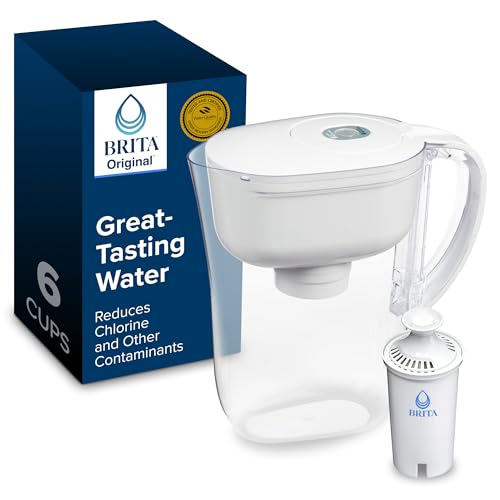
- WQA and NSF/ANSI certified filtration
- Mini-fridge-friendly 6-cup design
- SmartLight filter-change indicator
Best For: Dorms, small kitchens, and simple tap-water filtration
Best Countertop RO System
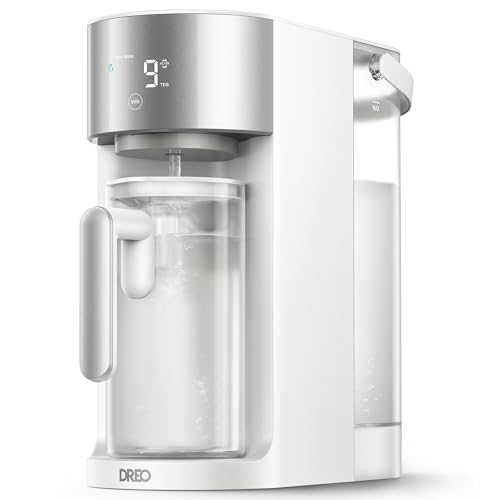
- 7-in-1 reverse osmosis filtration
- Real-time TDS and filter-life monitoring
- Autofill pitcher and self-cleaning system
Best For: One- or two-person households seeking installation-free RO filtration
Best Under-Sink Value
Waterdrop 10UA Under-Sink Filter

- NSF/ANSI 42 certified filtration
- Up to 12-month service life
- Quick-connect installation for cold municipal water
Best For: Compatible kitchens, offices, RVs, and rental properties
Best Under-Sink UF System
iSpring CU-A4 4-Stage Ultra Filtration

- 0.01-micron ultrafiltration with four filtration stages
- No electricity, tank, or wastewater required
- Includes brushed-nickel drinking-water faucet
Best For: Mineral-retaining under-sink filtration
Best Long-Life Direct Connect
Waterdrop 15UA Under Sink Filter

- Up to 24,420 gallons and two years with municipal water
- Installs quickly with push-to-connect fittings
- Certified for chlorine reduction and lead-free materials
Best For: Low-maintenance municipal tap-water filtration
Best Countertop Gravity Filter
Purewell 3-Stage UF Countertop System

- Non-electric gravity filtration for flexible placement
- 0.01-micron UF membrane with carbon and silver-ion stages
- Includes stainless-steel housing, stand, and two filters
Best For: Portable countertop and emergency-ready filtration
Best Certified RO System – iSpring RCC7AK-BN
The iSpring RCC7AK-BN is a strong option for shoppers comparing water purifiers under 300 who want under-sink reverse osmosis filtration with alkaline remineralization. Its six-stage system is NSF/ANSI 58 certified for the full system and includes a 75-gallon-per-day capacity, storage tank, and brushed-nickel faucet.
Best For: Households wanting certified under-sink RO filtration with added minerals and a DIY-friendly installation process.
Pros:
- NSF/ANSI 58 certified as a complete RO system.
- Alkaline stage adds minerals and supports a balanced pH.
- Transparent first-stage housing makes filter buildup easy to monitor.
- Includes a storage tank, faucet, tools, and lifetime technical support.
Cons:
- Its under-sink tank and multi-stage design require more installation space than countertop filters.
- Replacement filters are needed periodically, with the listed filter life at six months.
- Maximum supported feed-water TDS is 750 ppm.
Choose this model if certification, broad contaminant reduction, and remineralized water matter more than having the smallest possible under-sink footprint. The top-mounted faucet fastener and included installation guidance make setup more approachable for DIY users.
Best No-Installation Purifier – Ninja HydraSense WF1001WH1
The Ninja HydraSense is a convenient choice among water purifiers under 300 for people who want advanced filtration without plumbing or countertop installation. This countertop system uses a 96-ounce reservoir, one-touch dispensing, and usage tracking to filter water for drinking, cooking, coffee, and bottles.
Best For: Renters, apartments, and busy kitchens that need fast countertop filtration without installation.
Pros:
- Requires no installation or plumbing; simply plug in and fill.
- Filters up to 80-plus contaminants, including microplastics, pharmaceuticals, and PFAS covered by its certification details.
- Touchscreen tracks usage and filter status for personalized replacement timing.
- IAPMO R&T verified to NSF/ANSI 42, 53, and 401 standards.
Cons:
- It is a countertop unit rather than a direct faucet or under-sink filter.
- The system requires electricity for dispensing.
- Its reservoir holds 96 ounces, so larger households may need regular refills.
The HydraSense stands out for convenience: it dispenses filtered water quickly, preserves natural minerals and electrolytes, and provides clear filter-life information. It is a practical pick when avoiding installation is a priority.
Best Long-Life Under-Sink Filter – CuZn UC-200
The CuZn UC-200 is a straightforward option among water purifiers under 300 for improving tap water taste and reducing selected impurities without removing beneficial minerals. Its inline, three-stage design connects directly to a kitchen or bathroom faucet and is rated for a five-year filter life.
Best For: Users seeking compact under-sink filtration with minimal installation and long-term filter value.
Pros:
- Five-year filtration life can reduce the frequency of filter replacements.
- Three-stage filtration uses sediment membranes, KDF-55, and coconut-shell carbon.
- Direct-connect installation requires no drilling and includes connection parts.
- NSF/ANSI 42-certified components reduce aesthetic impurities and improve taste.
Cons:
- It does not reduce TDS; the manufacturer notes that reverse osmosis is required for that purpose.
- Its certification is for components and aesthetic impurity reduction rather than full RO purification.
- It connects inline to a faucet, so compatibility with the existing plumbing should be checked.
This filter makes sense for buyers focused on chlorine, lead, PFAS-related impurities, and taste improvement rather than TDS reduction. Its compact direct-connect format and unusually long stated filter life are the main reasons to consider it.
Best High-Flow Tankless RO – Waterdrop G5P500A
The Waterdrop G5P500A is a high-capacity choice for shoppers comparing water purifiers under 300 who want tankless reverse osmosis filtration and alkaline mineralization. Its eight-stage system delivers up to 500 gallons per day, uses a compact design, and is rated for a 2:1 purified-to-drain ratio.
Best For: Busy households that want fast under-sink RO water while saving cabinet space.
Pros:
- Tankless design frees under-sink space compared with large tank systems.
- 500 GPD capacity can fill a six-ounce cup in about eight seconds.
- Eight-stage RO filtration reduces contaminants including lead, fluoride, chlorine, PFOA, and PFOS.
- Alkaline mineralization adds calcium, magnesium, sodium, and potassium ions.
Cons:
- It requires a corded electrical connection.
- Faucet installation requires drilling a countertop hole.
- The system has a one-year manufacturer warranty listed in the specifications.
The G5P500A is especially appealing when flow speed and cabinet efficiency matter. Its 2:1 pure-to-drain ratio and appliance connection capability add flexibility, while the alkaline stage provides a mineralized finish to the RO-treated water.
Best Compact Pitcher – Brita Metro 6-Cup Water Filter Pitcher
For shoppers comparing water purifiers under 300, the Brita Metro is a simple, space-saving pitcher for improving the taste and odor of municipal tap water. Its 6-cup BPA-free design fits most mini-fridges and requires no electricity or installation.
Best For: Dorm rooms, small kitchens, mini-fridges, and shoppers who want a low-maintenance pitcher.
Pros:
- WQA and NSF/ANSI certified filtration reduces chlorine taste and odor, copper, mercury, cadmium, and more.
- SmartLight indicator helps track when the Standard filter needs replacement.
- One Standard filter lasts about 40 gallons or two months and can replace up to 300 single-use bottles.
Cons:
- The 6-cup capacity may require frequent refills for larger households.
- It is designed for potable tap water and does not provide reverse osmosis purification.
The Brita Metro is a practical pick when convenience, compact storage, and low operating complexity matter more than advanced contaminant reduction. It also accepts Brita Standard and Elite filters, giving you replacement flexibility.
Best Countertop RO System – DREO RO Water Filter 112
Among water purifiers under 300, the DREO RO Water Filter 112 stands out for shoppers seeking more comprehensive countertop filtration without plumbing installation. Its 7-in-1 reverse osmosis system includes real-time TDS monitoring, an autofill pitcher, and self-cleaning functions.
Best For: One- or two-person households wanting countertop reverse osmosis filtration with automated monitoring.
Pros:
- Its 0.0001 μm RO membrane is reported to reduce 99% of lead, chromium, chlorine, PFOS, and PFOA, plus 97% of fluoride under laboratory conditions.
- Built-in TDS monitoring and filter-life reminders simplify maintenance.
- Autofill, self-cleaning, a 3-liter tank, and a 1.1-liter pitcher add everyday convenience.
- The filter is rated for 265 gallons and installs with a twist-to-replace design.
Cons:
- At 9.5 pounds and roughly 14.5 by 6.7 by 13.4 inches, it requires dedicated counter space.
- Reverse osmosis systems produce wastewater, although this model lists a 3:1 pure-to-drain ratio.
The DREO is the more feature-rich choice in this lineup for users who want RO filtration and feedback without modifying their sink. Its smaller tank and pitcher capacity make it better suited to one or two people than a large family.
Best Under-Sink Value – Waterdrop 10UA Under-Sink Filter
For shoppers researching water purifiers under 300, the Waterdrop 10UA is a compact under-sink option for municipal cold tap water. It connects to compatible sink plumbing, preserves dissolved minerals, and offers a long service interval for everyday drinking and cooking.
Best For: Homes, offices, RVs, and rental properties with compatible cold-water plumbing.
Pros:
- NSF/ANSI 42 certified and designed for municipal tap water.
- Twist-and-lock construction and push-to-connect fittings support quick installation and replacement.
- The system can last up to 12 months with municipal water, while replacement filters cost less than $25.99 according to the supplied notes.
- Its upgraded design provides a tested 0.75 gpm full flow rate at 60 psi and an upgraded 3/8-inch outlet.
Cons:
- It is not suitable for well water or hot water.
- Compatibility depends on the sink’s female 1/2-inch or 3/8-inch threaded connection.
- It retains dissolved minerals, so a TDS meter will not show the same reduction as with reverse osmosis.
The Waterdrop 10UA makes sense when you want filtered water at the sink without a countertop appliance or RO wastewater. Confirm the faucet and cold-water connection requirements before ordering, especially for a rental or unusual plumbing setup.
Best Under-Sink UF System – iSpring CU-A4 4-Stage Ultra Filtration
If you’re comparing water purifiers under 300 for an under-sink setup, the iSpring CU-A4 is a practical option for reducing chlorine, lead, odors, and other unwanted compounds without electricity or wastewater. Its four-stage design retains minerals, but it is not a reverse osmosis system and does not lower TDS.
Best For: Households wanting high-capacity under-sink filtration with a dedicated brushed-nickel faucet and no storage tank.
Pros:
- Four-stage filtration combines sediment removal, ultrafiltration, KDF/GAC, and fine activated carbon.
- Its 0.01-micron ultrafiltration membrane helps reduce very small particles while retaining minerals.
- No electricity, waste water, or storage tank is required.
- Push-to-connect fittings and twist-on/twist-off cartridges simplify installation and replacement.
Cons:
- It does not reduce TDS because it is not an RO system.
- Filter life varies with water quality and usage, generally around 6–12 months.
- Installation requires space beneath the sink and a separate faucet opening.
The CU-A4 stands out when you want comprehensive under-sink filtration without the water waste associated with reverse osmosis. Its included faucet, compact design, and long stated capacity make it a strong fit for everyday drinking and cooking water.
Best Long-Life Direct Connect – Waterdrop 15UA Under Sink Filter
Among water purifiers under 300, the Waterdrop 15UA is designed for convenient municipal-water filtration directly beneath the sink. It reduces chlorine, taste, odor, lead, PFOA/PFOS, heavy metals, sediment, and other impurities while preserving essential minerals.
Best For: Municipal-water users who prioritize quick installation, direct connection, and a long replacement interval.
Pros:
- Rated for up to 24 months or 24,420 gallons when used with municipal water, subject to water quality and usage.
- Push-to-connect installation is designed to take less than three minutes, with a quick filter-change process.
- Includes fittings for common 3/8-inch and 1/2-inch cold-water connections.
- IAPMO certifications cover NSF/ANSI 42 chlorine, taste, and odor reduction and NSF/ANSI 372 material requirements.
Cons:
- It is intended for cold municipal water and is not suitable for well or hot water.
- The larger filter body may require careful measurement of the under-sink cabinet.
- A TDS meter may not show a lower reading because essential minerals remain in the water.
The 15UA is a particularly convenient choice for renters, busy households, or anyone replacing bottled water with a direct-connect filter. Confirm your water source and available cabinet space before buying.
Best Countertop Gravity Filter – Purewell 3-Stage UF Countertop System
For shoppers seeking water purifiers under 300 without plumbing or electricity, the Purewell PW-OB uses gravity filtration in a stainless-steel countertop housing. Its 0.01-micron composite filters reduce chlorine, rust, sediment, organic matter, and heavy metals while delivering filtered water to a 2.25-gallon lower chamber.
Best For: Homes, offices, or outdoor users who want portable, non-electric countertop filtration.
Pros:
- Three-stage filter technology combines a hollow-fiber UF membrane, silver ion membrane, and activated carbon block.
- Gravity operation needs no electricity, making it suitable for indoor and outdoor use.
- Food-grade 304 stainless-steel chambers, spigot, and stand are included.
- Two filters provide up to 6,000 gallons total, with each filter rated for up to 3,000 gallons.
Cons:
- Filters should be replaced every six months for optimum performance despite the gallon rating.
- It does not lower TDS.
- The 20-inch height requires adequate vertical countertop space, and overfilling can cause leakage.
The Purewell is a flexible alternative to under-sink systems when you want installation-free filtration. Its stainless-steel construction and large capacity are useful, but remember to leave room for the tall design and follow the filling instructions carefully.
How We Picked the Best Water Purifiers Under 300
We compared these Water Purifiers Under 300 based on filtration approach, stated certifications, installation format, output capacity, replacement intervals, usability, and value. The list includes systems designed for different needs rather than ranking every product by the same standard. Reverse osmosis models generally provide the broadest reduction of dissolved contaminants, while carbon and ultrafiltration systems can be simpler, faster, and less wasteful.
We also considered practical ownership details: whether a unit fits under a sink or on a countertop, how often filters need replacement, whether electricity or plumbing is required, and how clearly the manufacturer explains performance and maintenance.
Quick Comparison
- Best for broad filtration: Reverse osmosis systems such as the iSpring, Waterdrop, and DREO models.
- Best for simple under-sink installation: Carbon and ultrafiltration options from CuZn, Waterdrop, and iSpring.
- Best for renters or small kitchens: The Brita pitcher and countertop filtration systems.
- Best without permanent plumbing: The Purewell gravity system or a countertop RO unit.
- Best for high capacity: Larger under-sink systems with extended filter life or higher daily output.
Key Buying Factors for Water Purifiers Under 300
Filtration Method
Choose RO when you want substantial reduction of dissolved solids and a wider range of potential contaminants. Carbon filtration is often better for improving taste, odor, chlorine, and some common impurities with less water waste. Ultrafiltration can provide fine particulate filtration while retaining more minerals, but it may not remove dissolved salts or every contaminant that RO can target.
Certification and Contaminant Claims
Look for NSF/ANSI certification that matches the contaminant reduction you need. A certification for material safety or chlorine reduction does not automatically mean a system removes lead, fluoride, PFAS, or microbes. Check the manufacturer’s performance data and your local water report before buying.
Capacity and Maintenance
Consider daily household demand, reservoir size, flow rate, and filter-replacement frequency. RO systems may need multiple cartridges and produce wastewater, while pitchers require frequent refilling. Extended-life under-sink filters can reduce maintenance, but confirm that replacement cartridges remain available and affordable.
Installation and Space
Measure cabinet clearance, faucet-hole requirements, and access to a cold-water line. Countertop and pitcher models are easier to set up, while under-sink systems typically offer better convenience for frequent use. Gravity systems need enough vertical space and periodic cleaning.
Who Should Buy Which Water Purifiers Under 300?
Choose an RO system if your priority is broad contaminant reduction and you are comfortable with installation, filter changes, and possible wastewater. Choose a carbon or ultrafiltration under-sink filter if you mainly want better-tasting water with faster dispensing and simpler upkeep. Choose a countertop purifier if you rent, cannot modify plumbing, or want a self-contained appliance. Choose a pitcher for low upfront cost and occasional use. Choose a gravity filter if you need filtration without electricity or a direct plumbing connection.
Before ordering, verify compatibility with your water source, available space, expected daily volume, and total yearly filter cost. The best option is the one whose filtration capabilities and maintenance routine match your actual household needs.