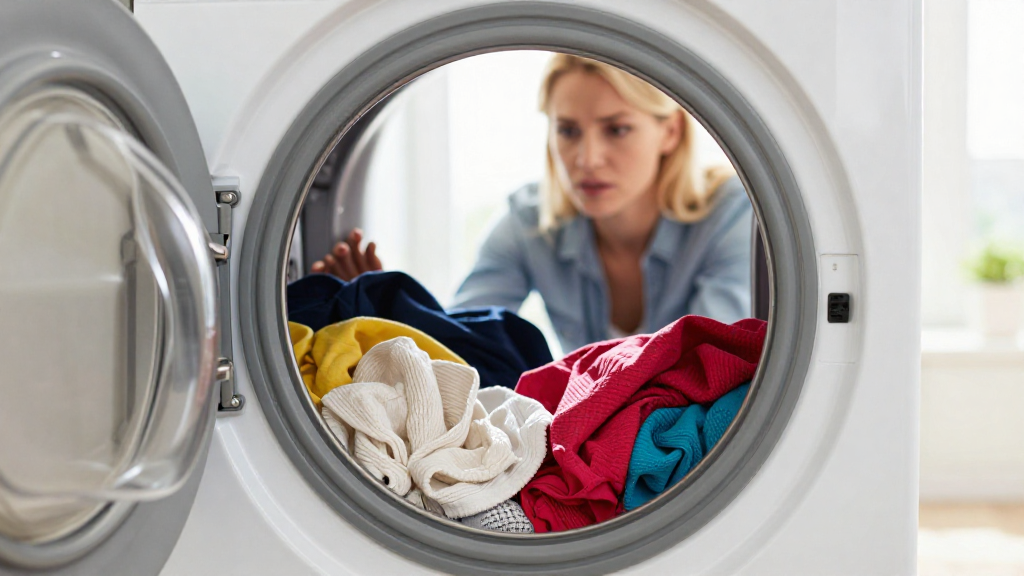
It can be incredibly frustrating when your laundry routine is disrupted by a malfunctioning appliance. If you’re wondering why is my dryer not heating, you’re not alone. Many homeowners face this issue, and the good news is that there are several common causes and potential fixes.
What Causes a Dryer to Not Heat?
There are several reasons your dryer might not be generating heat. Understanding these reasons can help you troubleshoot effectively.
-
Power Supply Issues:
– Ensure that your dryer is properly plugged in.
– Check if the circuit breaker has tripped or a fuse has blown. -
Thermal Fuse Failure:
– The thermal fuse is a safety device designed to cut off power to the heating element if it overheats.
– If this fuse is blown, your dryer won’t heat up. -
Faulty Heating Element:
– The heating element heats the air before it enters the drum.
– If it is damaged or burnt out, it needs to be replaced. -
Clogged Vent Hose:
– A clogged vent can prevent hot air from circulating properly.
– Ensure that the vent is clear of lint and debris. -
Malfunctioning Thermostat:
– The thermostat regulates the temperature inside the dryer.
– If it fails, it may prevent the dryer from heating up. -
Broken Timer or Control Board:
– The timer or control board might fail to signal the heating element to turn on.
– An expert may need to diagnose this issue.
How Can I Troubleshoot My Dryer?
If you are asking, why is my dryer not heating, you can follow these troubleshooting steps:
-
Check the Power:
– Ensure the dryer is plugged in.
– Test the electricity with a multimeter on the outlet or try another appliance. -
Inspect the Thermal Fuse:
– Unplug the dryer.
– Locate the thermal fuse (usually on the blower housing).
– Use a multimeter to check for continuity – replace it if necessary. -
Examine the Heating Element:
– Look for dimples on the heating element that indicate damage.
– Test continuity as you did with the thermal fuse. -
Clear the Vent System:
– Disconnect the vent from the dryer and check for blockages.
– Clean out both ends – the dryer side and the outside vent. -
Check the Thermostat:
– Identify the thermostat and test for continuity with a multimeter.
– Replace it if you find no continuity. -
Observe the Control Board and Timer:
– Inspect the control board for burnt out components or broken connections.
– Consult a professional if needed for repair or replacement.
When Should I Call in a Professional?
If you’re still stuck asking why is my dryer not heating, despite troubleshooting, it might be time to call in a professional. Here’s when you should get help:
- If you’re uncomfortable working with electrical components.
- If you’ve gone through basic steps and still have no results.
- If your dryer is still under warranty – you might want to avoid DIY fixes that could void it.
How Can I Prevent My Dryer from Failing Again?
Once you resolve the issue, consider these preventive measures to avoid future breakdowns:
-
Regularly Clean the Lint Filter:
– Clear the lint filter after every load to maintain airflow. -
Inspect the Venting System:
– Clean your dryer vent and ducting at least once a year. -
Avoid Overloading:
– Ensure you’re not overloading the dryer, which can strain the motor and heating element. -
Keep the Area Around the Dryer Clean:
– Ensure that there is sufficient airflow around the dryer, free from any obstructions. -
Perform Routine Maintenance:
– Schedule an annual service with a qualified technician to catch potential issues early.
Conclusion
In conclusion, if you’re asking why is my dryer not heating, you’re likely facing one of several common issues, from power supply problems to component failures. By following the troubleshooting steps outlined above, you can identify the issue and, in many cases, fix it yourself.
Regular maintenance and cleaning routines can help prevent these problems in the future, ensuring that you can rely on your dryer when you need it most. If all else fails, don’t hesitate to reach out to a professional for assistance.
By understanding the potential issues, you’ll not only save time and frustration but also the cost of unnecessary repairs or replacements.
Remember: A well-maintained dryer not only operates efficiently but extends the life of your appliance. Happy drying!