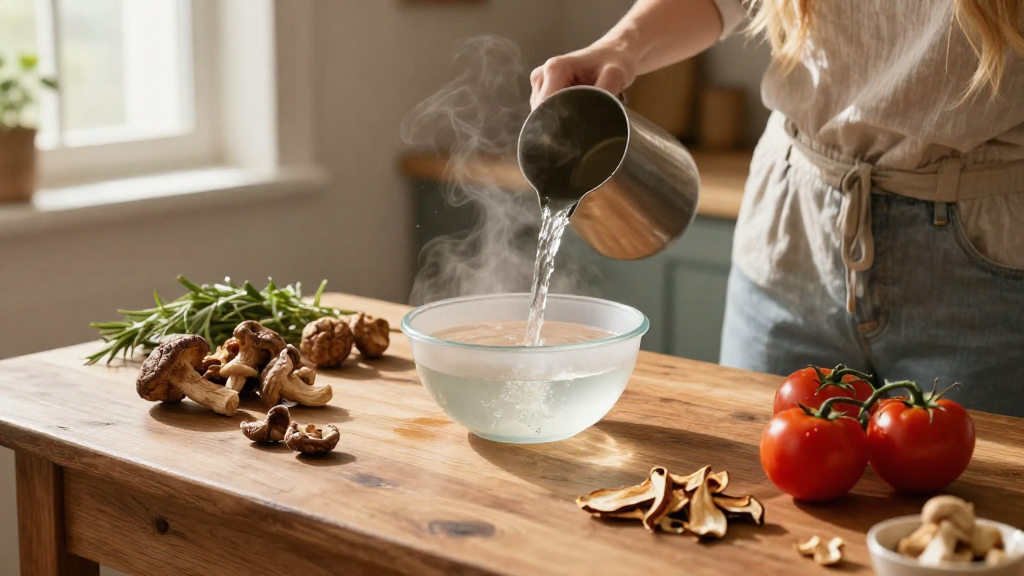
When it comes to culinary adventures, understanding how to rehydrate dehydrated food is an essential skill for home cooks, campers, and survivalists alike.
What is Dehydrated Food?
Dehydrated food is food that has had its moisture removed for preservation.
This method allows food to have a longer shelf life, which is critical for:
- Emergency supplies
- Backpacking
- Long-term food storage
Additionally, it provides convenience and versatility in cooking.
Why Should You Learn How to Rehydrate Dehydrated Food?
Knowing how to rehydrate dehydrated food opens up a world of possibilities.
Whether you’re making:
- Soups
- Stews
- Casseroles
- Snacks
You can easily incorporate dehydrated ingredients into your meals.
Besides convenience, there are numerous benefits to rehydrating dehydrated food:
- Enhanced flavor due to the concentration of taste during the dehydration process.
- Nutritional value mostly stays intact during dehydration.
- Weight reduction makes it ideal for long trips or storage.
What Equipment Do You Need to Rehydrate Dehydrated Food?
Before diving into the methods, it’s vital to gather the necessary tools.
Here’s a list of equipment that can help you when you learn how to rehydrate dehydrated food:
- Bowl or container for soaking.
- Pot or saucepan for heating.
- Strainer for draining excess liquid.
- Measuring tools for precision.
How Do You Prepare Dehydrated Food for Rehydration?
Preparation is key when it comes to how to rehydrate dehydrated food effectively.
Start with these simple steps:
- Inspect the food: Make sure that your dehydrated food is free from mold or spoilage.
- Wash the food (if needed): Some dehydrated foods, like vegetables, may need rinsing to remove dust or debris.
- Cut into smaller pieces: If you have large pieces of dehydrated food, it’s helpful to size them down for quicker rehydration.
What Are the Methods to Rehydrate Dehydrated Food?
There are several methods for rehydrating dehydrated food, and each one can cater to different types of ingredients.
1. Soaking in Water
Soaking in water is perhaps the simplest method.
Here’s how you do it:
- Fill a bowl with lukewarm or cold water.
-
Submerge the dehydrated food for 30 minutes to a few hours, depending on the type of food.
-
Fruits: 15-30 minutes.
- Vegetables: 1-2 hours.
-
Meats: 1-4 hours.
-
Drain and use as needed in your recipe.
2. Cooking in Liquid
This method is effective for how to rehydrate dehydrated food while simultaneously adding flavor.
Follow these steps:
- Add dehydrated food directly into simmering broth or sauce.
- The heat will help to rehydrate the food while infusing it with flavor.
- Keep the food simmering for about 10-30 minutes, depending on the type.
3. Using a Pressure Cooker
Using a pressure cooker can significantly speed up the rehydration process.
- Add a small amount of water to the pot, then add the dehydrated food.
- Seal and cook on high pressure for a brief period (usually around 3-10 minutes).
- Quick-release the pressure and your food should be rehydrated and ready to use.
4. Microwave Method
For a quick method, the microwave can also be effective.
- Place dehydrated food in a microwave-safe bowl.
- Add enough water to cover the food.
- Microwave in 30-second intervals until rehydrated (generally 1-3 minutes).
5. Overnight Soaking
If you’re preparing meals in advance, consider overnight soaking.
- Place dehydrated food in a bowl and cover it with water before bed.
- By morning, the food will be ready use in your dishes.
Which Foods Are Best for Dehydration?
Not all foods are ideal for dehydration.
Here’s a list of best candidates for dehydration:
- Fruits: Apples, bananas, berries, and mangoes.
- Vegetables: Carrots, sweet potatoes, tomatoes, and bell peppers.
- Herbs: Basil, oregano, and rosemary.
- Meat: Beef, chicken, and fish (ensure proper drying and storage methods).
Conclusion
Learning how to rehydrate dehydrated food is not only helpful but also enhances your cooking repertoire.
With simple techniques like soaking, cooking in liquid, or using modern gadgets, you can effortlessly bring life back to dehydrated ingredients.
So whether you’re planning a camping trip, stocking your pantry, or just looking to create quick, nutritious meals, mastering the skill of rehydration will take your cooking to the next level.
Embark on your culinary journey with confidence, and enjoy the flavors and convenience that dehydrated food has to offer!