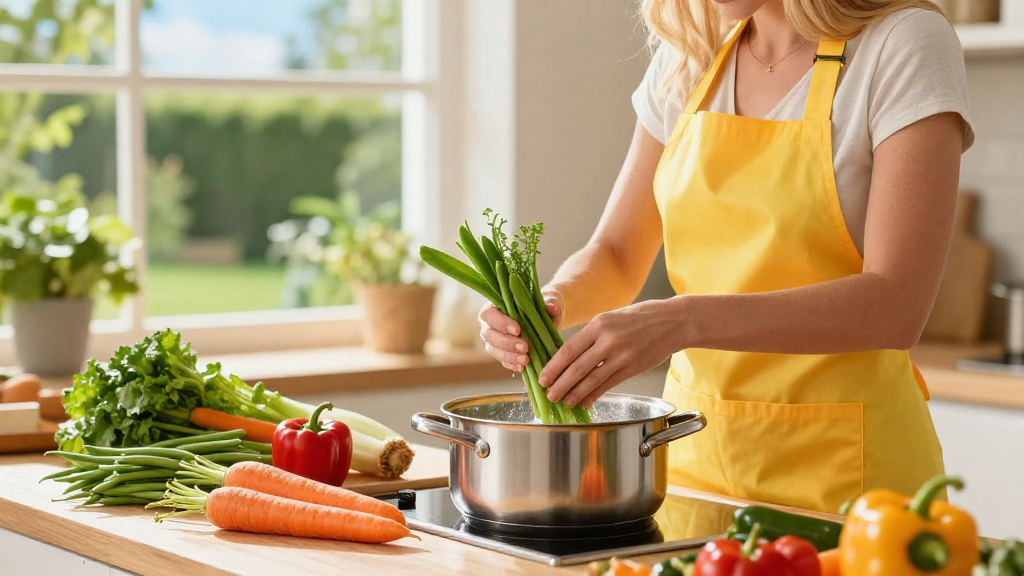
If you have a thriving garden, knowing how to freeze vegetables from your garden will help you enjoy your fresh produce year-round. Freezing is an effective way to preserve the taste and nutrients of garden vegetables while making them easy to access whenever you need them.
Why Freeze Vegetables?
Freezing vegetables is a fantastic way to:
- Preserve Freshness: Lock in the taste and nutritional value.
- Save Time: Have ready-to-use vegetables at your fingertips.
- Reduce Waste: Minimize the amount of produce that goes bad.
But, how do you make sure the freezing process retains the quality of your homegrown treasures?
What Are the Best Vegetables to Freeze?
When considering how to freeze vegetables from your garden, it’s crucial to select the right kind of produce. Most vegetables freeze well, but some are particularly suited for this method. Here’s a list of popular choices:
- Green Beans: Crisp and nutrient-rich, they freeze well when blanched.
- Peas: Sweet and tender, they can simply be shelled and frozen.
- Carrots: Chopped or sliced, they retain their flavor and texture post-freeze.
- Corn: Cut from the cob, it freezes effectively while maintaining its sweetness.
- Zucchini: Sliced or grated, zucchini offers versatility when frozen.
How Do You Prepare Vegetables for Freezing?
When you know how to freeze vegetables from your garden, the preparation process is a key component. Here are the essential steps:
Step 1: Gather Supplies
Before you start freezing, ensure you have the following supplies:
- Fresh, garden-picked vegetables
- A large pot for blanching
- Ice bath (a large bowl filled with ice and water)
- Freezer-safe bags or containers
- Labels and a marker for organizing your frozen goods
Step 2: Clean and Chop
-
Wash Thoroughly: Rinse your vegetables under cool, running water to remove dirt and pesticides.
-
Peel and Chop: Peel any necessary veggies and chop them into desired sizes.
Step 3: Blanching – Is It Necessary?
Blanching is a crucial step in how to freeze vegetables from your garden. Here’s why:
- Inhibits Enzymes: Blanching halts the enzyme action which can cause loss of flavor, color, and texture.
- Reduces Microbial Load: It cleans the surface of dirt and organisms.
- Enhances Color: Brightens up the appearance of frozen vegetables.
How to Blanch:
-
Boil Water: Fill a pot with water and bring it to a rolling boil.
-
Add Vegetables: Insert your chopped vegetables into the boiling water.
-
Timing is Key: Blanch for different times based on the vegetable, usually from 2-5 minutes.
-
Cool Quickly: Once done, promptly transfer the veggies to an ice bath to stop the cooking process.
Step 4: Package for Freezing
Once your vegetables are blanched and cooled, it’s time for packaging:
-
Drain Well: Make sure to eliminate any excess water to avoid freezer burn.
-
Use Quality Bags: Place them in freezer-safe bags or containers.
-
Remove Air: Squeeze out as much air as possible to prevent freezer burn.
-
Label and Date: Write the name of the vegetable and the date on each bag.
Step 5: Freezing
Now that you’ve packaged your vegetables, it’s time to freeze them.
- Position: Lay the bags flat in your freezer to save space.
- Temperature: Ensure your freezer maintains a temperature of 0°F (-18°C) or lower.
How Long Can You Keep Frozen Vegetables?
Knowing how to freeze vegetables from your garden doesn’t just end with packing them away. It’s important to know how long you can keep them for optimum quality:
- Green Beans: Up to 12 months
- Peas: 8-12 months
- Carrots: 10-12 months
- Corn: 8-12 months
- Zucchini: 3-6 months
Tips for Best Results
For the best flavor and nutritional value when freezing vegetables, consider these additional tips:
- Freeze in Small Portions: This makes it easier to thaw just what you need.
- Avoid Freezing Starchy Vegetables: Some, like potatoes, don’t freeze well unless cooked.
- Check Freezer Temperature Regularly: Ensure it stays at the right level.
- Rotate Stock: Use older vegetables first to reduce waste.
How Do You Thaw Frozen Vegetables?
Once you have frozen your vegetables, understanding how to thaw them is equally important. Here’s how:
- Refrigerator Thawing: Transfer the vegetables from the freezer to the fridge overnight.
- Cooking Directly: You can cook them directly from frozen, adjusting the cooking time as needed.
Do Frozen Vegetables Lose Nutritional Value?
While frozen vegetables do lose some vitamin content over time, they often retain more nutrients than fresh vegetables that have traveled long distances to reach your plate.
Conclusion: Mastering the Art of Freezing
In conclusion, knowing how to freeze vegetables from your garden allows you to make the most out of your gardening efforts. By properly preparing and packaging your vegetables, you can enjoy the delightful taste of homegrown goodness throughout the year.
Follow the steps outlined above to achieve the best results in preserving your harvest. Happy freezing, and enjoy your delicious garden vegetables all year round!