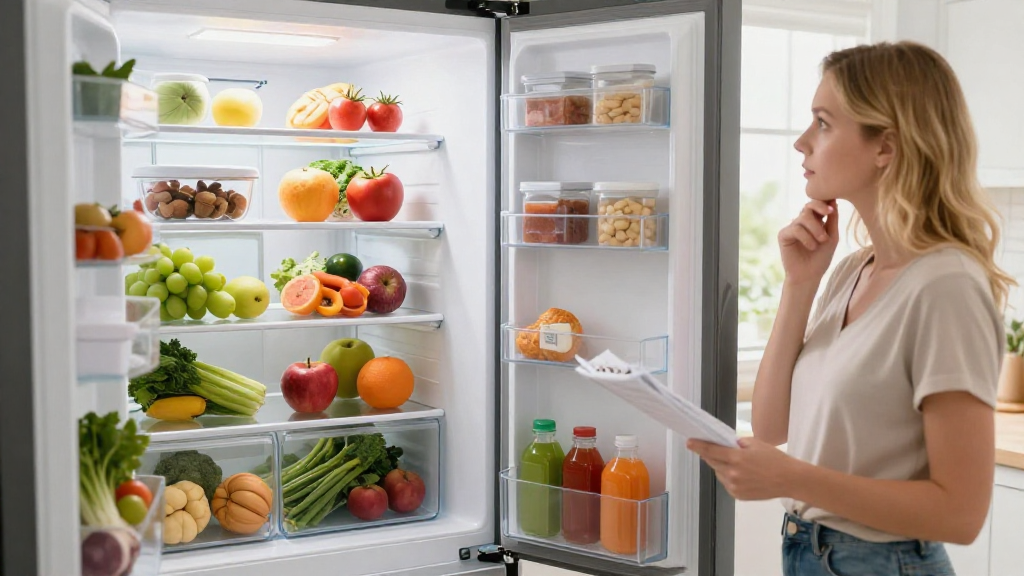
Are you wondering how to avoid fridge overloading?
Overloading your fridge can lead to various issues, including decreased efficiency, food spoilage, and a higher electricity bill.
In this article, we will explore effective strategies on how to avoid fridge overloading, ensuring that your refrigerator operates optimally while keeping your food fresh and safe.
Why is it Important to Avoid Overloading Your Fridge?
What happens when you overload your fridge?
When you cram your fridge full of food, several issues can arise:
-
Poor Air Circulation:
– Refrigerators rely on proper air circulation to maintain consistent temperatures.
– If items are packed too tightly, cool air cannot circulate properly, leading to uneven cooling and possible spoilage. -
Increased Energy Consumption:
– An overloaded fridge may have to work harder to maintain the desired temperature.
– This excess effort can lead to higher electricity bills and reduced lifespan of the appliance. -
Food Spoilage:
– When air cannot circulate, some items may spoil faster while others may be too cold.
– This can result in wasted food and money.
How Can You Effectively Organize Your Fridge?
What are some tips to organize your fridge?
-
Know Your Fridge’s Capacity:
– Understanding the maximum capacity of your fridge is crucial.
– Generally, a fridge should only be filled to about 75-80% of its total capacity. -
Use Clear Storage Containers:
– Invest in clear storage containers to easily see what you have.
– This prevents overbuying and makes it easier to keep track of expiration dates. -
Prioritize Visibility:
– Place frequently used items at eye level.
– Keep taller items at the back to avoid blocking available space. -
Implement a FIFO System:
– Organize food based on the “First In, First Out” principle.
– Place older items in front to ensure they are consumed before newer additions. -
Label Containers:
– Use labels to indicate contents and expiration dates.
– This promotes a quick review of items and reduces the chance of buying duplicates.
What Foods Should You Store Where?
Are there specific placements for different food types?
Absolutely! Different foods have specific needs:
-
Top Shelves (Warmer Areas):
– Store drinks, ready-to-eat foods, and leftovers.
– Since this area tends to be warmer, it’s best for items that don’t require intense cooling. -
Middle Shelves:
– Ideal for dairy products like milk, cheese, and yogurt.
– These items benefit from consistent, moderate temperatures. -
Lower Shelves (Coldest Areas):
– Store meats, fish, and poultry here.
– This lower area is the coldest part due to the proximity to the compressor. -
Crisper Drawers:
– One drawer should be for fruits (higher humidity) and another for vegetables (lower humidity).
– This helps control moisture levels, preventing spoilage. -
Door:
– Best for condiments, juices, and other items that require less cooling.
– Avoid placing milk or eggs here, as they benefit from more stable temperatures.
How Do You Manage Fresh Produce?
How can you store fruits and vegetables properly?
Managing fresh produce is crucial to avoid fridge overloading:
-
Separate Ethylene-Producing Fruits:
– Fruits like bananas, apples, and avocados emit ethylene gas, which can spoil other produce.
– Keep these fruits in a separate area to prolong shelf life. -
Use Produce Bags:
– Consider using perforated bags to allow for air circulation.
– This helps maintain proper humidity and extends freshness. -
Regularly Check for Spoilage:
– Make it a habit to check for spoiled items once a week.
– Remove and dispose of any items that show signs of decay.
Are There Creative Ways to Use Leftovers?
How can you transform leftovers to avoid fridge overloading?
Utilizing leftovers creatively is an excellent way to maintain organization:
-
Plan Meals Strategically:
– Incorporate leftover ingredients into new meals.
– For example, use leftover chicken in salads, sandwiches, or stir-fries. -
Prepare Freezer-Friendly Meals:
– Cook in bulk and freeze portions for later consumption.
– Label and date items to ensure they are consumed within their safe timeframe. -
Make Leftover Jar Salads:
– Layer vegetables, grains, and proteins in jars for easy grab-and-go meals.
– This encourages consumption of leftovers without cluttering your fridge. -
Soup or Stew Bases:
– Combine various leftovers to create hearty soups or stews.
– This approach reduces waste and can be very nutritious.
Can Frequent Cleaning Help Reduce Fridge Overload?
How does regular cleaning impact fridge space?
Maintaining a clean fridge plays a critical role in avoiding overload:
-
Schedule Regular Cleaning:
– Aim to clean your fridge every few months.
– Remove expired or spoiled food to free up space. -
Wipe Down Shelves:
– Clean spills and crumbs promptly to prevent odors and unwanted bacteria.
– A clean environment makes it easier to see available space. -
Inspect for Clutter:
– Take a moment to identify clutter or items that do not belong in the refrigerator.
– Remove any unnecessary items immediately.
Conclusion
Learning how to avoid fridge overloading is essential for maintaining your refrigerator’s efficiency and ensuring the freshness of your food.
By implementing smart organization strategies and being mindful of what you store, you can keep your fridge in top condition.
Remember these key strategies:
- Know your fridge’s capacity.
- Organize food effectively.
- Manage fresh produce and leftovers intelligently.
- Regularly clean to maintain an optimal environment.
With these tips, you’ll be well on your way to a well-organized fridge that meets your storage needs without the chaos of overloading!