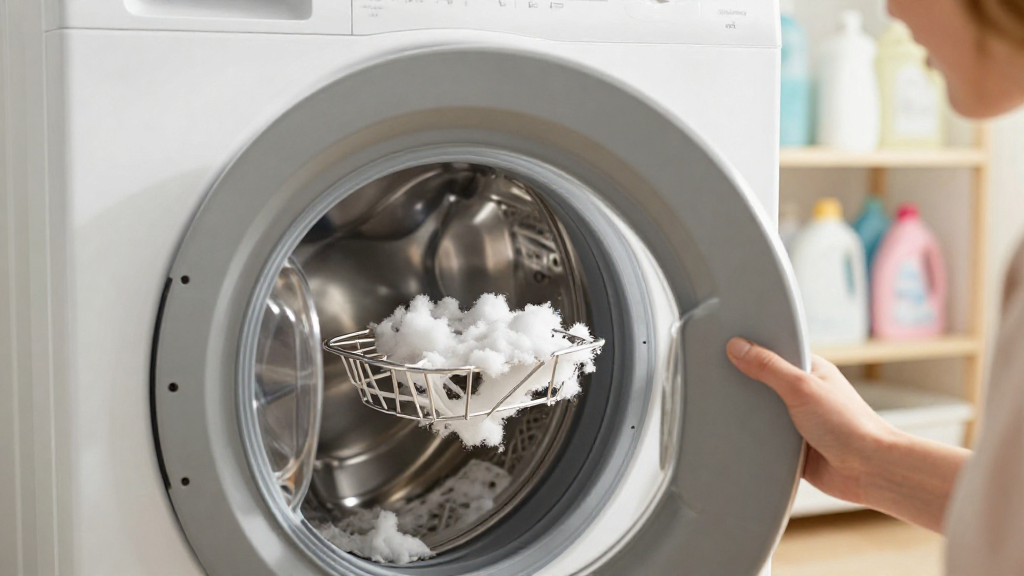
When facing appliance issues, one common question many homeowners ask is, can you use a dryer with a broken lint trap? This article aims to provide valuable insights into this topic, discussing safety concerns, potential damages, and alternatives.
What Happens if You Use a Dryer Without a Lint Trap?
Using a dryer with a broken lint trap can lead to various problems, including:
-
Fire Hazards: Lint accumulation is highly flammable. Without a lint trap, lint can build up in the dryer or vent, increasing the risk of a fire.
-
Decreased Efficiency: A malfunctioning lint trap can hinder airflow, causing the dryer to work harder and ultimately decreasing its efficiency.
-
Increased Energy Costs: When a dryer works harder than it should, it consumes more energy. This can result in higher electricity bills.
-
Damage to the Dryer: Continuous use without a functioning lint trap may lead to overheating and damage to internal components.
Can You Use a Dryer With a Broken Lint Trap Temporarily?
While it’s not advisable to use a dryer with a broken lint trap, some people find themselves in situations where they must do so temporarily.
Here are a few temporary measures you could consider:
-
Check Ventilation: Ensure the dryer vent is clear and unobstructed to allow for proper airflow.
-
Clean Regularly: Without a lint trap, it is crucial that you clean the dryer and vent after every use to minimize lint buildup.
-
Use a Lint Collector: Some appliances offer lint collection bags or metal screens that can fit over the vent opening. While not perfect, these can provide some level of protection.
-
Monitor Usage: Limit the amount of time you run the dryer and keep a close eye on it during operation.
Even with these measures, the risks are significant. Proceeding without a functional lint trap should only be a last resort.
What Are the Alternatives to Using a Dryer With a Broken Lint Trap?
If you’re unable to repair your lint trap immediately, consider these alternatives:
-
Repair the Lint Trap: Immediate repair is the best course of action. Contact a professional appliance technician to assess and fix the issue as soon as possible.
-
Air Dry Your Laundry: A more energy-efficient and safer option is to air dry your clothes. This method requires no electricity and is great for the environment.
-
Use Local Laundromat: If you have a large load or cannot air dry at home, consider using a laundromat. Most laundromats have commercial-grade dryers that are well-maintained.
-
Hand Wash Small Loads: In a pinch, you can wash small loads by hand and hang them to dry until your dryer is fully repaired.
-
Consider a Portable Dryer: For short-term use, a portable dryer could help manage laundry needs until your main unit is functional again.
How Can You Fix a Broken Lint Trap?
To address your initial concern regarding the functionality of your dryer, you’ll want to consider fixing the broken lint trap.
Here’s a simple guide to help you through the process:
-
Assess the Damage: Check if the lint trap is torn or if it simply requires a thorough cleaning.
-
Purchase a Replacement: If the trap is damaged, check online or at your local appliance store for an exact match.
-
Remove the Old Trap: Most lint traps slide out easily. Just pull it straight out of the appliance.
-
Install the New Trap: Insert the new lint trap into the slot according to the manufacturer guidelines.
-
Maintenance: Regularly cleaning your lint trap after every use can prevent further issues.
What Should You Do If You Smell Burning?
If you ever encounter a burning smell while using your dryer, it’s essential to take immediate action. Here’s a step-by-step guide on how to handle such a situation:
-
Turn Off the Dryer: Immediately stop the dryer to prevent any potential fire outbreak.
-
Unplug the Appliance: Disconnect power from the dryer to eliminate any current that could feed a fire.
-
Inspect for Lint Buildup: Check if there’s visible lint around the lint trap or inside the dryer.
-
Check the Vent: Inspect the dryer vent for any clogs or excessive lint accumulation.
-
Call for Help: If you cannot identify the problem, it’s best to seek professional assistance to prevent any harmful situations.
Conclusion: Should You Use Your Dryer With a Broken Lint Trap?
In conclusion, you should avoid using a dryer with a broken lint trap. The risks associated with it, such as fire hazards, increased energy costs, and potential damage to the appliance, outweigh any immediate convenience.
If you find yourself in this situation, consider temporary fixes, explore alternatives, and prioritize the repair of your lint trap.
Ultimately, maintaining a functional lint trap is crucial for the safety and efficiency of your dryer. By prioritizing this small maintenance task, you can ensure your laundry routine runs smoothly and safely.
Remember, the question of “can you use a dryer with a broken lint trap?” has a clear answer: it’s best not to. Instead, take proactive steps toward repair and alternative solutions to safeguard your home and appliance.