Reliable water storage is one of the most practical upgrades for a safe room. The right container should protect water quality, fit your available space, and remain manageable during an emergency.
This roundup compares compact jugs, stackable containers, collapsible options, and large-capacity barrels so you can match storage capacity with your household’s needs and safe-room layout.
Best 10 Water Storage Containers for Safe Rooms Picks for 2026
Compact Family Reserve
20-Gallon Stackable Water Containers

- Four stackable 5-gallon containers
- BPA-free, food-grade HDPE
- Handles and breathing ports aid dispensing
Best For: Space-conscious emergency water storage
Single-Container Standout

- Rigid 7-gallon rectangular design
- Hideaway spigot for dispensing
- Store away from direct sunlight
Best For: Adding a single emergency water reserve
Accessory-Ready Reserve

- Six 5-gallon containers
- Includes spigots and water preserver
- Stackable BPA-free HDPE construction
Best For: Larger modular reserves with dispensing accessories
Long-Term Household Supply
Augason Farms 55-Gallon Water Barrel
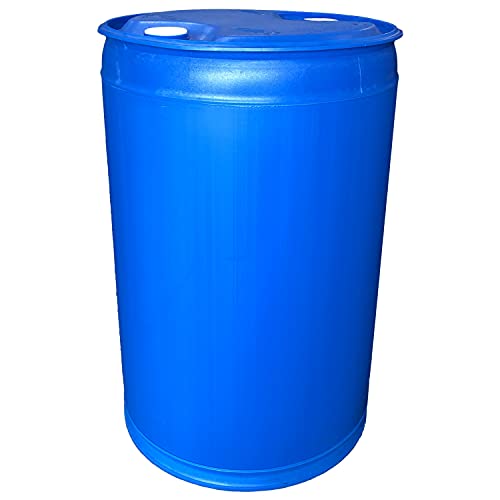
- Large 55-gallon emergency reserve
- Food-grade, BPA-free polyethylene
- Built-in fill and drain fittings
Best For: Stationary, high-capacity household storage
Portable Access Pick
4-Gallon Water Jug with Spigot

- Food-grade, BPA-free HDPE
- Spigot for controlled dispensing
- Slim, portable design with cleaning accessories
Best For: Compact emergency storage and portable water access
Bulk Reserve Pick
15-Gallon Food-Grade Water Drum

- 15-gallon emergency storage capacity
- BPA-free, food-grade HDPE
- Tight-head lid and UN-rated construction
Best For: Stationary safe-room water reserves
Space-Saving Pick
Collapsible 2.1-Gallon Water Jugs

- Folds for compact storage
- Two lightweight 2.1-gallon jugs
- Separate inlet and outlet with leak-resistant seams
Best For: Small safe rooms and portable emergency kits
Best with Extra Features
55-Gallon Open-Head Water Barrel

- 55-gallon capacity for high-volume reserves
- HDPE construction with weather resistance
- Lever-lock lid for secure access
Best For: Large, stationary emergency water reserves
Easy-Access Reserve
3.2-Gallon Water Jug with Spigot

- Rotatable spigot enables controlled dispensing
- Replacement cap supports sealed storage
- BPA- and PVC-free food-grade PE
Best For: Portable safe-room and emergency water access
Modular Stockpile

- Ten one-gallon containers for flexible storage
- BPA-free, food-grade HDPE construction
- Threaded caps and graduation marks
Best For: Distributed, easy-to-move emergency water supplies
Compact Family Reserve – 20-Gallon Stackable Water Containers
For households comparing water storage containers for safe rooms, this four-container kit offers 20 gallons of portable, stackable capacity. Its flat tops and bottoms help conserve floor space, while built-in handles and breathing ports make transport and pouring more manageable.
Best For: Families needing a compact, refillable emergency water supply for storage, camping, or disaster preparedness.
Pros:
- Four 5-gallon containers stack efficiently in limited space.
- BPA-free, food-grade HDPE plastic is durable and refillable.
- Handles support transport, and twist breathing ports help prevent air-locking while pouring.
Cons:
- Each filled container weighs about 40 pounds, which may be difficult to move.
- The kit does not list included spigots or a water preserver.
This is a practical choice when safe-room storage space is limited and you want several smaller containers rather than one large barrel. Plan placement carefully because filled units are heavy.
Single-Container Standout – Reliance Aqua-Tainer 7-Gallon
The Reliance Aqua-Tainer is a straightforward option for shoppers seeking water storage containers for safe rooms without committing to a multi-container kit. Its rigid rectangular design, contour grip, and hideaway spigot support organized storage and on-demand dispensing.
Best For: Individuals or households wanting one rigid 7-gallon container for emergency storage and outdoor use.
Pros:
- Rigid rectangular shape supports stacking and space-conscious storage when empty.
- Reversible spigot cap and hideaway spigot help with transport and dispensing.
- Molded contour grip makes the container easier to handle.
Cons:
- Direct sunlight can degrade the container and increase the risk of leaks.
- A single container provides less reserve capacity than the larger kits in this roundup.
Its compact 7-gallon format works well for adding one manageable reserve to a safe room. Store it in a cool, shaded area as recommended to protect the container over time.
Accessory-Ready Reserve – 30-Gallon Stackable Water Kit
For buyers who want water storage containers for safe rooms with dispensing accessories included, this kit supplies six stackable 5-gallon containers and 30 gallons of total capacity. It also includes spigots, a cap wrench, and water preserver for a more complete preparedness setup.
Best For: Households building a larger, organized water reserve with included dispensing and preservation accessories.
Pros:
- Six containers provide 30 gallons of total storage in a stackable format.
- Includes two spigots, a 70mm cap wrench, and water preserver.
- BPA-free, food-grade HDPE construction is durable and refillable.
- Handles and breathing ports support transport and easier pouring.
Cons:
- Six filled containers require substantial storage space and handling.
- The stated household water duration is an estimate that varies by usage.
This is the most accessory-complete small-container kit here. It suits a prepared household that wants modular storage and included supplies, but confirm that your safe room can accommodate the filled containers.
Long-Term Household Supply – Augason Farms 55-Gallon Water Barrel
This 55-gallon barrel is designed for shoppers who need high-capacity water storage containers for safe rooms, basements, or garages. Its food-grade, BPA-free polyethylene construction and built-in fill and drain fittings provide a substantial stationary reserve for emergencies.
Best For: Households prioritizing maximum listed capacity and a stationary long-term emergency water supply.
Pros:
- 55-gallon capacity supports drinking, cooking, cleaning, and hygiene needs.
- Food-grade, BPA-free polyethylene is intended for clean water storage.
- Two built-in plug fittings simplify filling and accessing the water.
- Empty weight is listed at 18 pounds, making initial positioning easier.
Cons:
- The round barrel has a larger, less modular footprint than stackable containers.
- Once filled, its size and weight make relocation impractical.
Choose this barrel when capacity matters more than portability. Measure the intended safe-room location first, and position it before filling because the completed reserve will be difficult to move.
Portable Access Pick – 4-Gallon Water Jug with Spigot
For water storage containers for safe rooms, this 4-gallon jug offers a practical balance of capacity, portability, and dispensing convenience. Its food-grade, BPA-free HDPE construction, carrying handle, and slim profile make it suitable for emergency supplies where floor space may be limited.
Best For: Safe rooms, vehicles, camping, and emergency water access where a built-in spigot is useful.
Pros:
- Food-grade, BPA-free HDPE construction
- Separate wide opening supports filling and brush cleaning
- Built-in spigot helps control water flow
- Includes an extra seal cap, cleaning brush, and extension tube
Cons:
- Four-gallon capacity is smaller than a bulk-storage drum
- Its spigot and openings add components that require careful sealing
This is a strong choice when your safe-room setup needs water that can be moved and dispensed without handling a large barrel. The flat, narrow design is especially useful in vehicles or compact storage areas.
Bulk Reserve Pick – 15-Gallon Food-Grade Water Drum
When choosing water storage containers for safe rooms, this 15-gallon tight-head drum is designed for a larger emergency reserve. Its heavy-duty HDPE body, secure lid, food-grade BPA-free material, and UN rating make it suited to preparedness and general water-storage needs.
Best For: Long-term emergency water storage, rainwater collection, and safe rooms with room for a larger stationary container.
Pros:
- 15-gallon capacity provides a substantial water reserve
- Food-grade, BPA-free HDPE is suitable for drinking-water storage
- Secure tight-head lid helps protect stored contents
- UN-rated construction adds versatility for storage applications
Cons:
- Larger and less portable than smaller water jugs
- Round drum shape may be harder to fit in narrow spaces
This drum is the better fit when capacity matters more than frequent movement. Before buying, measure the intended safe-room location carefully, since the supplied dimensions and listing details vary and the container is intended as a sizable storage barrel.
Space-Saving Pick – Collapsible 2.1-Gallon Water Jugs
For water storage containers for safe rooms where storage space is limited, this two-pack of collapsible 2.1-gallon jugs is easy to fold and put away when empty. The lightweight design, separated inlet and outlet, leak-resistant seams, and odor-resistant material support flexible emergency and travel use.
Best For: Compact safe rooms, apartments, camping kits, and backup storage that needs to be easy to carry or stow.
Pros:
- Collapsible design saves space when empty
- Two 2.1-gallon containers offer flexible distribution
- Separate inlet and outlet are designed for easier filling and pouring
- Lightweight, reusable, and backed by a lifetime warranty
Cons:
- Each jug holds less than a full-size emergency drum
- Hand-wash-only care may require more maintenance
- Collapsible construction may be less suited to permanent bulk storage
This two-pack works well as a flexible supplement to a larger reserve or as a primary option when every inch of storage matters. Its smaller individual capacity also makes the water easier to distribute and carry.
Best with Extra Features – 55-Gallon Open-Head Water Barrel
For large-capacity water storage containers for safe rooms, this 55-gallon open-head barrel provides substantial reserve capacity in a durable HDPE body. Its lever-lock lid offers secure closure while keeping the contents accessible when needed.
Best For: Households or facilities building a high-volume emergency water reserve.
Pros:
- Large 55-gallon capacity for bulk water storage.
- HDPE construction is strong, lightweight, and weather resistant.
- Metal lever-lock lid provides a reliable closure.
Cons:
- Its large footprint may be difficult to fit in smaller safe rooms.
- Open-head design is less convenient for frequent small servings than a jug with a spigot.
This barrel is the strongest fit when maximizing stored volume matters more than portability. Plan the placement carefully, since a full 55-gallon container is intended to remain stationary.
Easy-Access Reserve – 3.2-Gallon Water Jug with Spigot
Among water storage containers for safe rooms, this 3.2-gallon jug balances manageable size with convenient dispensing. The rotatable spigot and included extension tube make it easier to fill bottles or cookware without lifting or tipping the container.
Best For: Safe rooms, camping kits, and emergency supplies that need portable, ready-to-dispense water.
Pros:
- Rotatable spigot and extension tube support controlled dispensing.
- Replacement cap converts it to sealed storage without the spigot.
- Food-grade PE is BPA- and PVC-free.
- Wide opening and included brush simplify cleaning.
Cons:
- 3.2-gallon capacity provides less reserve than a full-size barrel.
- Hand-wash care requires cleaning and drying attention.
This jug is a practical middle ground for emergency water access: more manageable than a barrel and easier to use than a container that must be tilted. The included solid cap is useful when leak-resistant storage is the priority.
Modular Stockpile – 10-Pack One-Gallon Water Jugs
For flexible water storage containers for safe rooms, this 10-pack divides a larger supply into easy-to-handle one-gallon units. Each reusable HDPE jug has a threaded cap and graduation marks, making the set useful for organized storage, transport, and measured filling.
Best For: Preppers who want a distributed water reserve that is easier to move and arrange than one large container.
Pros:
- Ten one-gallon jugs provide modular storage and access.
- BPA-free, food-grade HDPE is suitable for liquid storage.
- Threaded caps are designed for tight, leak-resistant closure.
- Graduation marks help with measuring and filling.
Cons:
- Individual jugs hold only one gallon each.
- Ten containers require more shelf organization and cap checks than one barrel.
This set works well when a safe-room layout favors smaller, stackable-style units and gradual access to the reserve. It also lets you move or use one gallon at a time instead of opening a much larger container.
How We Picked the Best Water Storage Containers for Safe Rooms
We focused on capacity, material, portability, space efficiency, dispensing features, and suitability for emergency storage. BPA-free food-grade plastic is a priority for containers intended to hold drinking water. We also considered whether each option has a spigot, secure lid, stackable shape, or other feature that makes it practical in a confined safe-room environment.
Capacity matters, but bigger is not always better. A full 55-gallon barrel can weigh more than 450 pounds, so it should be positioned before filling and used as a stationary reserve. Smaller containers are easier to rotate, carry, clean, and distribute among household members.
Quick Comparison
- Best for modular storage: Stackable 5-gallon containers.
- Best for a portable reserve: A 4- to 7-gallon rigid water jug.
- Best for maximum capacity: A 55-gallon BPA-free barrel.
- Best for temporary or flexible use: A collapsible 2.1-gallon jug.
- Best for distributing water: Smaller jugs with integrated spigots.
- Best for bulk multipacks: One-gallon HDPE jugs.
Key Buying Factors for Water Storage Containers for Safe Rooms
Capacity and Available Space
A common emergency-planning benchmark is at least one gallon per person per day, with additional water for cooking, hygiene, pets, and hot conditions. Measure doorways, shelving, and floor space before choosing a barrel or tall container. Rectangular stackable designs typically use limited storage space more efficiently than round drums.
Material and Water Safety
Look for BPA-free, food-grade HDPE or similarly approved materials. “Food grade” does not automatically mean the container is clean or ready for drinking water; sanitize it according to the manufacturer’s instructions and use a water preserver when appropriate. Avoid containers previously used for chemicals or non-food liquids.
Access, Sealing, and Dispensing
A tight lid helps limit contamination, while a spigot makes daily dispensing easier without repeatedly opening the container. Check fittings for leaks and confirm that replacement caps, gaskets, or faucets are available. Large open-head barrels can be useful, but their lids may require more careful sealing after filling.
Handling and Rotation
Choose containers household members can safely lift when full. Store them away from sunlight, heat, and chemicals, and inspect them periodically for damage, odor, or leaks. Follow the manufacturer’s replacement guidance and rotate stored water on a regular schedule.
Who Should Buy Which Water Storage Containers for Safe Rooms?
Choose stackable 5-gallon containers if you need a flexible system that can expand over time. A 4- to 7-gallon jug suits apartments, vehicles, and safe rooms where portability matters. Select a 55-gallon barrel for a larger household with a fixed storage location and the ability to fill it in place. Collapsible jugs are useful for occasional preparedness or backup capacity, while one-gallon multipacks work well for portioning water among several people or storage areas.