If you process venison, elk, duck, or other wild game at home, the right slicer can save time and improve consistency. The best models make it easier to cut even strips for jerky, thin deli-style slices, and uniform portions for freezing or cooking.
This roundup of meat slicers for game focuses on blade size, cut control, cleaning ease, and whether a manual or electric design better fits your workflow.
Best 10 Meat Slicers for Game Picks for 2026
Manual Jerky Prep Pick
Weston Manual Support Beef Jerky Slicer

- 32 blades cut consistent .25" strips
- Fits meat up to 5" wide x 1.25" thick
- Includes combs, tongs, and built-in C-clamp
Best For: Home jerky makers processing game meat
Heavy-Duty Electric Slicer Pick
VEVOR 8.6" Electric Deli Slicer

- 200W motor with 70–100 RPM slicing
- Includes serrated and non-serrated 8.6" blades
- Adjustable thickness from 0 to 0.6"
Best For: Home kitchens needing electric slicing for game meat
Two-in-One Game Prep Pick

- Tenderizes and slices with interchangeable blades
- 16 tenderizing blade pairs improve texture
- 31 jerky blades cut meat quickly
Best For: Users who want tenderizing and jerky slicing in one tool
Compact Electric Slicer Pick
VEVOR 7.5" Electric Deli Slicer

- 200W motor with 70–100 RPM operation
- Two 7.5" blades for versatile cutting
- Adjustable thickness from 0 to 0.6"
Best For: Smaller kitchens needing a compact electric slicer
Countertop Deli Slicer
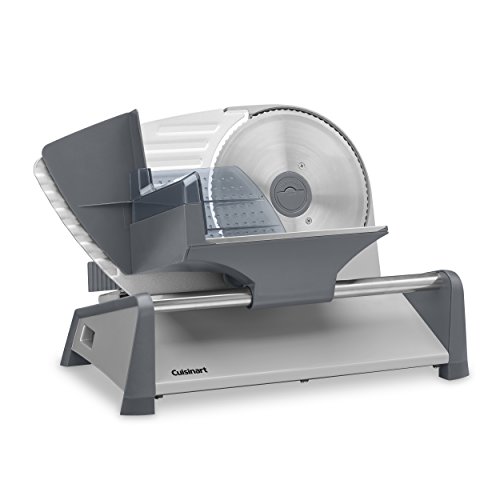
- 7.5-inch stainless blade for meats, bread, and cheese
- Slice thickness adjusts from 1/32" to 1/2"
- Removable parts make cleanup easier
Best For: Home cooks who want an adjustable electric slicer for mixed kitchen use
Manual Jerky Prep Tool
Paladin 2-in-1 Tenderizer & Slicer

- Two stainless blade sets for tenderizing and slicing
- Handles meats up to 0.8" thick and 4" wide
- Includes clamps and tongs for steadier use
Best For: Hunters and home processors prepping venison, beef, or jerky meat
Best for Comfort
BESWOOD 10" Chromium Blade Slicer
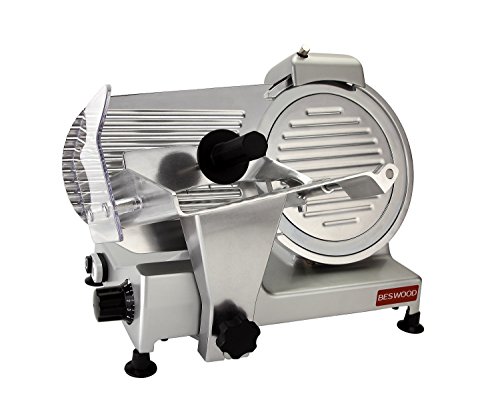
- 10-inch chromium-plated steel blade
- 240W electric design for home or commercial use
- Built for precise slicing of meat, cheese, and produce
Best For: Users wanting a larger, precise slicer for regular batch prep
Quiet Home Slicer
200W Food Slicer with Two 7.5" Blades

- 200W DC motor with lower-noise operation
- Two removable 7.5-inch stainless steel blades
- 0-15 mm adjustable thickness and detachable parts
Best For: Home cooks who want quiet, adjustable slicing for meats and more
Compact Deli Cutter
Electric Meat Slicer Machine for Home

- Adjustable thickness from deli-thin to over 1/2-inch
- Quiet belt-driven motor with stable base and suction feet
- Removable 8-5/8-inch blade and tilting tray
Best For: Home users who want thin, even deli-style slices in a compact machine
Versatile Kitchen Slicer
200W Electric Food Slicer with 2 Removable 7.5" Blades

- 200W motor with 0-15 mm thickness control
- Two removable stainless steel blades for different foods
- Removable parts and suction feet support cleaning and stability
Best For: Home cooks who want a compact, versatile slicer with easy cleanup
Manual Jerky Prep Pick – Weston Manual Support Beef Jerky Slicer
If you want meat slicers for game that focus on jerky prep, this manual Weston model is built for fast, even strips from larger cuts. It slices meat into consistent quarter-inch pieces and can handle game meat, beef, turkey, and duck breast without taking up much space.
Best For: Home jerky makers who want a manual slicer for consistent game meat strips.
Pros:
- 32 stainless steel blades cut up to 15 quarter-inch strips at once.
- Large chute fits meat up to 5″ wide and 1.25″ thick.
- Built-in C-clamp mounts securely to flat surfaces up to 2″ thick.
- Includes stainless steel combs and tongs for safer feeding and handling.
Cons:
- Manual operation means more effort than an electric slicer.
- Designed for jerky strips rather than general-purpose slicing.
This is a practical pick if your main goal is making jerky from game meat with consistent strip size. It gives you a straightforward manual setup and the included accessories help keep the process controlled.
Heavy-Duty Electric Slicer Pick – VEVOR 8.6" Electric Deli Slicer
For buyers comparing meat slicers for game, this VEVOR electric model is a strong all-around option when you want faster, more uniform cuts. Its 200W motor, dual blades, and adjustable thickness make it useful for frozen meat, steak, ham, and other prep tasks beyond jerky.
Best For: Home kitchens that need an electric slicer for frozen or cooked game meat and other foods.
Pros:
- 200W motor and 70–100 RPM operation support efficient slicing.
- Includes both serrated and non-serrated 8.6″ blades for versatile use.
- Adjustable thickness from 0 to 0.6″ lets you choose thin or thicker slices.
- Removable parts and reversible tray make cleaning easier.
Cons:
- Hand wash only according to the care instructions.
- Larger footprint than a manual jerky slicer.
This model makes sense if you want a powered slicer that handles more than one job in the kitchen. It is especially appealing for users who value speed, control, and easy thickness adjustment.
Two-in-One Game Prep Pick – Manual Meat Tenderizer 2-in-1
If you want meat slicers for game with extra prep flexibility, this manual 2-in-1 tool combines tenderizing and jerky slicing in one unit. The interchangeable stainless steel blade sets let you improve texture first, then slice meat for jerky without buying separate machines.
Best For: Cooks who want both tenderizing and jerky slicing in a single manual machine.
Pros:
- Two blade sets provide tenderizing and jerky slicing functions.
- 16 pairs of tenderizing blades help deepen texture and flavor penetration.
- 31 stainless steel jerky slicing blades cut meat quickly.
- Interchangeable blades save space and reduce equipment overlap.
Cons:
- Manual operation requires more hands-on prep.
- Primarily focused on meat prep rather than broad food slicing.
This is a smart choice if you value versatility and want one machine to handle two common game-meat prep steps. It is best suited to users who don’t mind a manual workflow and want a compact, purpose-built tool.
Compact Electric Slicer Pick – VEVOR 7.5" Electric Deli Slicer
Among meat slicers for game, this smaller VEVOR electric slicer is a good fit when you want powered cutting without a large machine. It uses a 200W motor and two blades to handle frozen meat and other foods while keeping slice thickness adjustable.
Best For: Smaller kitchens that want an electric slicer for game meat and everyday prep.
Pros:
- 200W motor with 70–100 RPM operation supports steady slicing.
- Includes both serrated and non-serrated 7.5″ blades.
- Thickness adjusts from 0 to 0.6″ for thin or thicker cuts.
- Removable parts and suction cup feet help with cleaning and stability.
Cons:
- Smaller 7.5″ blade than the larger VEVOR model.
- Hand wash only.
This version keeps the same core convenience as the larger slicer, but in a more compact format. It works well if you want electric slicing power and flexible thickness control without the bigger footprint.
Countertop Deli Slicer – Cuisinart Kitchen Pro FS-75
If you want meat slicers for game processing that can also handle everyday kitchen tasks, this Cuisinart model is a practical countertop option. Its 7.5-inch stainless steel blade and adjustable slice control make it useful for cutting roasts and firm cheeses at a range of thicknesses, from paper-thin to hearty portions.
Best For: Home cooks who want a versatile electric slicer for roasts, meats, bread, and cheese.
Pros:
- Slice control adjusts from 1/32″ to 1/2″ for flexible thickness.
- 130-watt motor and stable non-slip feet support steady slicing.
- Removable blade, food guide, and stainless steel carriage make cleanup easier.
- Premium-coated steel and die-cast aluminum housing add durability.
Cons:
- Blade size is 7.5 inches, which is smaller than some commercial-style slicers.
- Best suited to meats and firm foods rather than frozen or very hard items.
This is a good pick if you want a reliable, adjustable slicer without moving up to a larger commercial unit. It offers a solid balance of power, versatility, and cleanup convenience for regular home use.
Manual Jerky Prep Tool – Paladin 2-in-1 Tenderizer & Slicer
For meat slicers for game that focus on prep work rather than countertop slicing, this manual Paladin unit is built to tenderize and slice up to 0.8-inch-thick meat. It uses two stainless-steel blade sets and is especially useful when you want to work with beef, chicken, venison, or other meats before cooking or jerky making.
Best For: Hunters and home processors who want a manual tool for tenderizing and prepping game meat.
Pros:
- Two blade sets handle both tenderizing and slicing.
- Works with beef, chicken, venison, and other meats up to 0.8″ thick and 4″ wide.
- Can help reduce cooking time by creating heat channels.
- Clamps and tongs are included to help secure and handle meat.
Cons:
- Manual operation means more hands-on effort than an electric slicer.
- Not for frozen meat, bones, or other hard items.
- Hand-wash only cleaning is less convenient than dishwasher-safe equipment.
This is a specialized prep tool rather than an all-purpose slicer, but it makes sense if your goal is to process game meat for tenderness or jerky. Its compact footprint and included accessories add usefulness for countertop setups.
Best for Comfort – BESWOOD 10" Chromium Blade Slicer
If you need meat slicers for game that can do larger batch work at home or in a commercial setting, this BESWOOD electric deli slicer is built around a 10-inch chromium-plated steel blade. It is designed for precise slicing of meat, cheese, vegetables, ham, and fruit, with a corrosion-resistant blade that should not need frequent sharpening.
Best For: Users who want a larger electric slicer for precise, repeatable cuts on meat and other foods.
Pros:
- 10-inch chromium-plated steel blade resists corrosion.
- Blade is designed to reduce the need for frequent sharpening.
- 240W motor supports home or commercial use.
- Double illuminated ON/OFF switch adds a safety-oriented design touch.
Cons:
- Larger commercial-style design takes up more space than compact slicers.
- Higher power and size may be more than casual users need.
This BESWOOD model is the most heavy-duty option in the group, especially if you want a bigger blade and a more commercial feel. It stands out for precision, corrosion resistance, and broad food compatibility.
Quiet Home Slicer – 200W Food Slicer with Two 7.5" Blades
If you want meat slicers for game prep that can also handle everyday kitchen tasks, this 200W model is built for precise, adjustable slicing at home. The 0-15 mm thickness range, dual stainless steel blades, and quieter DC motor make it a practical pick for portioning meats, cheeses, vegetables, and bread.
Best For: Home cooks who want a quiet, versatile slicer with adjustable thickness and easy cleanup.
Pros:
- 200W DC motor delivers stable torque with lower noise operation.
- Includes two removable 7.5-inch stainless steel blades: serrated and non-serrated.
- Adjustable 0-15 mm thickness suits meat, cheese, vegetables, and bread.
- Detachable design with removable blades and tray simplifies cleaning.
Cons:
- Hand wash only, so cleanup is not fully automatic.
- Best suited to home use rather than heavy-duty slicing.
- Compact size may limit very large cuts compared with bigger deli machines.
This model stands out if you want a balanced home slicer with useful safety features and flexible blade options. It is a strong all-around choice for controlled slicing without a lot of kitchen noise.
Compact Deli Cutter – Electric Meat Slicer Machine for Home
For meat slicers for game that lean more toward deli-style precision, this Weston model focuses on thin, even cuts and steady home-kitchen performance. Its adjustable thickness control, quiet belt-driven motor, and suction cup feet make it a sensible option for slicing cold cuts, steaks, and chops.
Best For: Home users who want a compact, quiet slicer for thin deli cuts and steadier handling.
Pros:
- Adjustable thickness handles deli-thin slices through over 1/2-inch cuts.
- Belt-driven motor is described as quiet running.
- Suction cup feet and a sturdy base support stable operation.
- Removable 8-5/8-inch blade and tilting tray help with cleaning and storage.
Cons:
- 150-watt motor is less powerful than some 200W alternatives.
- Designed for home use, so it is not a commercial slicer.
- Blade size and compact design may not suit larger-volume prep.
This is a practical pick if you value thin slicing, stability, and a smaller footprint. It looks especially appealing for users who want a straightforward home deli slicer that stores and transports easily.
Versatile Kitchen Slicer – 200W Electric Food Slicer with 2 Removable 7.5" Blades
If you are comparing meat slicers for game with a focus on versatility, this 200W electric slicer offers a strong mix of power, adjustability, and easy maintenance. The 0-15 mm thickness control, two stainless steel blades, and removable parts make it a practical tool for slicing meats and other foods at home.
Best For: Cooks who want a durable, compact slicer with multiple blade options and easy cleaning.
Pros:
- 200-watt motor provides enough power for a variety of foods.
- Two removable stainless steel blades add flexibility for different slicing jobs.
- Removable carriage, slide-rod extension, and food pusher make cleaning easier.
- Non-slip suction cup feet and a food pusher improve working stability and safety.
Cons:
- Hand wash only, so it still requires manual cleaning.
- Compact design may not be ideal for very large slicing jobs.
- Best for home kitchen use rather than high-volume prep.
This model is a good all-purpose option if you want a slicer that is easier to clean and store without giving up useful performance. It is a sensible choice for everyday slicing when compact size matters.
How We Picked These Meat Slicers for Game
We focused on slicing precision, motor or manual cutting power, blade size, stability, and how practical each unit is for game processing. We also prioritized models that can handle firm muscle cuts without excessive tearing, while still offering enough adjustment for thinner or thicker slices.
Because game processing often involves leaner, denser meat than standard deli use, build quality and control mattered as much as raw power. Easy cleanup and safety features were also important.
Quick Comparison
Manual slicers are usually better for controlled jerky prep, portability, and simpler maintenance. Electric slicers are a stronger fit if you want speed and repeatable slice thickness across larger batches. Larger blades tend to handle bigger roasts and wider cuts more comfortably, while smaller units can be more convenient for occasional home use.
Key Buying Factors for Meat Slicers for Game
Blade Size and Type
A larger blade helps with wide roasts and uniform long slices, while removable blades can make cleanup easier. For game meat, sharp stainless or chrome-plated blades are useful for clean cuts through lean muscle.
Thickness Control
Look for a slicer with a wide thickness range if you plan to make jerky, sandwich slices, or thicker meal portions. Fine adjustment matters when you want consistent results from batch to batch.
Motor Power and Feed Stability
For electric models, enough power helps reduce drag on firmer meats. A stable base and secure carriage are equally important because game meat can be slippery or unevenly shaped.
Cleaning and Maintenance
Game processing can get messy, so removable blades, accessible food paths, and wipe-clean surfaces are valuable. The easier a slicer is to sanitize, the more likely it is to stay in regular use.
Manual Vs. Electric
Manual slicers are a good choice if you want more control, less noise, and a tool for smaller batches. Electric slicers are better if speed and consistency are your top priorities.
Who Should Buy Which Meat Slicers for Game?
If you process game occasionally and mainly want jerky-ready strips, a manual slicer or tenderizer-slicer combo can be practical. If you break down larger amounts of meat or want uniform slices for freezing and meal prep, an electric deli slicer is usually the better investment.
Home users should look for a balance of size, safety, and easy cleanup. Frequent processors, hunters, and small-batch makers may benefit most from a sturdier, higher-powered model with a larger blade and stronger construction.