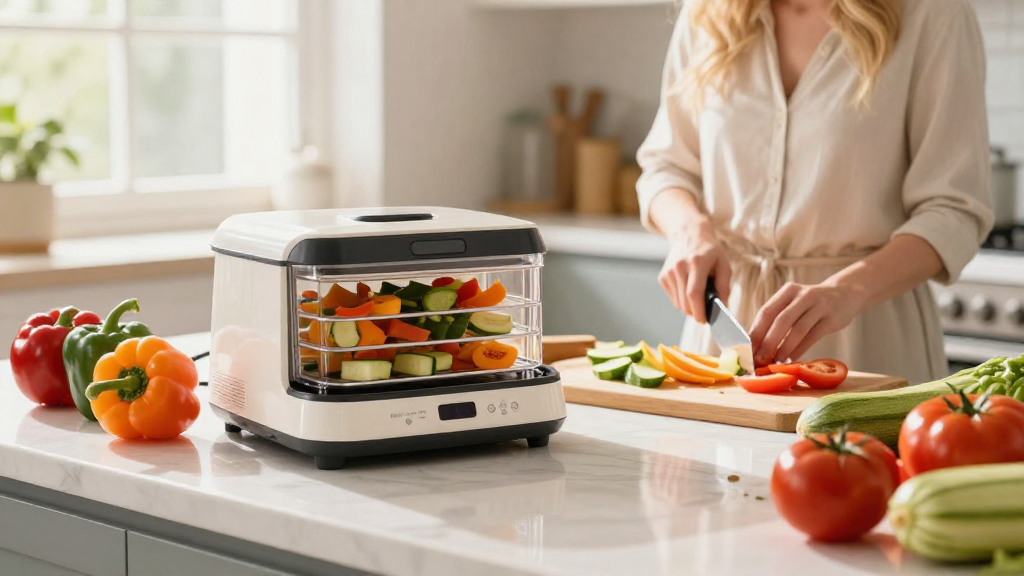
Learning how to dehydrate vegetables can be an excellent way to preserve your harvest, reduce waste, and create healthy snacks.
Dehydrating vegetables at home is not only simple but also economical, allowing you to take control of your food storage.
What Does Dehydrating Vegetables Mean?
Dehydration involves removing moisture from fresh vegetables to inhibit the growth of bacteria, yeasts, and molds, which can spoil the food.
When done correctly, this method retains much of the flavor, color, and nutritional value of the vegetables.
Dehydrated vegetables can be stored for long periods and can be used in various recipes, from soups to salads.
Why Should You Learn How to Dehydrate Vegetables?
The benefits of dehydrating vegetables are numerous. Here are a few key reasons why you should consider learning how to dehydrate vegetables at home:
- Extended Shelf Life: Dehydrated vegetables last much longer than fresh produce.
- Space Saving: Dried vegetables take up less space in your pantry or storage area.
- Cost-Effective: Dehydrating allows you to buy vegetables in bulk and save money over time.
- Healthy Snack Options: Dried vegetables make for nutritious snacks that can be enjoyed on-the-go.
What Vegetables Can You Dehydrate?
Almost any type of vegetable can be dehydrated, but some are particularly suited for this process.
Here are some popular choices:
- Carrots: Great for soups and stews.
- Zucchini: Perfect for healthy chips.
- Bell Peppers: Excellent for adding flavor to dishes.
- Mushrooms: Intensifies the flavor, making them great for sauces.
- Tomatoes: Perfect for sun-dried tomatoes, rich in flavor.
- Spinach and Kale: Excellent for smoothies and soups.
How to Dehydrate Vegetables: What Are the Steps?
If you’re ready to learn how to dehydrate vegetables at home, follow these simple steps:
Step 1: Choose Fresh Vegetables
Always start with fresh, high-quality vegetables.
Make sure they are ripe and free from blemishes or mold.
Step 2: Wash Thoroughly
Wash your vegetables under running water to remove dirt and pesticides.
You can use a vegetable brush for tougher skins, like potatoes and carrots.
Step 3: Cut and Prepare
- Chop your vegetables into uniform sizes to ensure even drying.
Here are some examples based on vegetables:
- Carrots: Slice into 1/4-inch rounds.
- Zucchini: Cut into thin rounds or half-moons.
- Bell Peppers: Remove seeds and cut into strips.
Step 4: Blanching: Is It Necessary?
Blanching, or briefly boiling vegetables, can help preserve color and nutrients.
Not all vegetables require blanching, but it’s essential for some, like:
- Broccoli
- Cauliflower
- Green Beans
To blanch, simply:
- Boil water in a large pot.
- Add vegetables for 2-5 minutes.
- Quickly transfer them to an ice bath to halt cooking.
Step 5: Choose Your Dehydration Method
So, how to dehydrate vegetables at home? There are several methods to choose from:
Using a Food Dehydrator
- Arrange the vegetable slices on the dehydrator trays in a single layer, avoiding overlap.
- Set the temperature (usually between 125°F and 135°F or 52°C to 57°C) for the specific type of vegetable.
- Check the vegetables every few hours until they are completely dry and brittle.
Using an Oven
- Preheat your oven to the lowest setting (around 140°F or 60°C).
- Place a wire rack on a baking sheet for better airflow.
- Arrange the vegetables in a single layer on the rack.
- Keep the oven door slightly ajar to allow moisture to escape.
- Check the vegetables every 30 minutes until dry.
Using Air Drying
- Ideal for herbs but can be used for certain vegetables like tomatoes or peppers in dry climates:
1. Thread the vegetable slices onto a string or place them on a screen in a dry, warm area with low humidity.
2. Ensure good air circulation around the vegetables to aid drying.
Step 6: How to Tell When Vegetables Are Done?
Dehydrated vegetables are finished when they are no longer moist and have a brittle texture.
To check:
- Bend (not break) in the case of leafy vegetables.
- Snap for firmer vegetables like carrots or peppers.
Step 7: Store Properly
Proper storage is key to the longevity of your dried vegetables.
- Cool completely before packing.
- Use airtight containers like glass jars or vacuum-sealed bags.
- Label with the date and type of vegetable for easy reference.
How Long Can You Store Dehydrated Vegetables?
When stored in a cool, dark place, dehydrated vegetables can last up to:
- 6-12 months in airtight containers.
- Up to 2 years in vacuum-sealed bags.
Tips and Tricks for Dehydrating Vegetables
- Experiment: Try a variety of vegetables and blend flavors for new snacks.
- Check Before Cooking: Dried vegetables can expand when rehydrated; always check the desired texture.
- Avoid Moisture: When packaging, ensure no moisture is trapped, as it can cause spoilage.
- Use Desiccants: Consider adding a food-safe desiccant packet to prevent humidity.
Final Thoughts: Why You Should Start Dehydrating Today
Now that you know how to dehydrate vegetables at home, it’s time to get started!
This method is not only sustainable but also empowering.
By learning how to dehydrate vegetables, you’re not just preserving food; you’re also enjoying the freedom of having healthy, home-cooked options ready when you need them.
Whether you use a dehydrator, an oven, or simply air dry, the art of food preservation is rewarding and beneficial for your health and wallet.
So gather those fresh vegetables, get your gear ready, and embark on your dehydrating journey today!